
Inside a New Effort to Bridge the Gun Policy Divide
This week, we're doing something a bit different.
Instead of one guest, we have three. They are all members of a new initiative trying to break the decades-old logjam around gun policy. The participants from Bridging the Divide join the show to discuss how their detailed policy proposals differ from the ones our debate has centered around for years.
Dr. Michael Siegel of Tufts University, Rob Pincus of the Second Amendment Organization, and Jonathan Lowy of Global Action on Gun Violence join the show to explain their role in the project. Dr. Siegel provides an overview of the effort, while Pincus and Lowy explain the input they provided and the compromises they reached.
Pincus noted the effort isn't part of a pre-existing gun group and isn't a traditional organization at all. Instead, Siegel said it's a working group that was put together to try to update gun policy with the goal of reducing violent crime while filling the gaps in current policy. He said a big part of achieving that goal involved getting input from gun owners and gun-rights activists in addition to academics and gun-control advocates.
The working group, which went public on Thursday, produced a comprehensive policy plan complete with model legislation. They propose new variations for background checks, extreme risk protection orders, community violence intervention, suicide prevention, firearm prohibitions, dealer regulations, gun storage, and gun injury prevention. All of them have been updated to address some long-running complaints about their effectiveness or their potential to infringe on people's gun rights.
Pincus and Lowy, unlikely bedfellows given that one owns a gun company and the other has made a career of suing them, said they were proud of the work the group has done and felt their input was actually incorporated into the proposals. They both explained what they thought was the best idea in the plan and why they felt it was important for them to be involved.
Siegel admitted the policy proposals are likely to face plenty of criticism, even with the effort to try and address many of the long-standing critiques associated with each of them. He said it would likely be an uphill battle to get the proposals turned into law. But he noted the group included lawmakers as part of the working group, and he said he is confident in their plan to get other legislators on board.
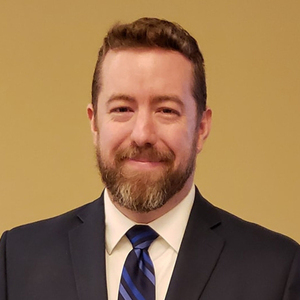 Stephen Gutowski
 Jonathan Lowy
 Michael Siegel
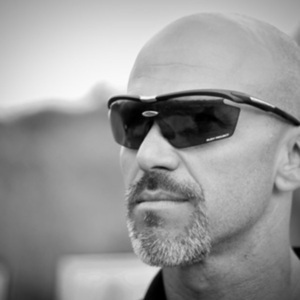 Rob Pincus